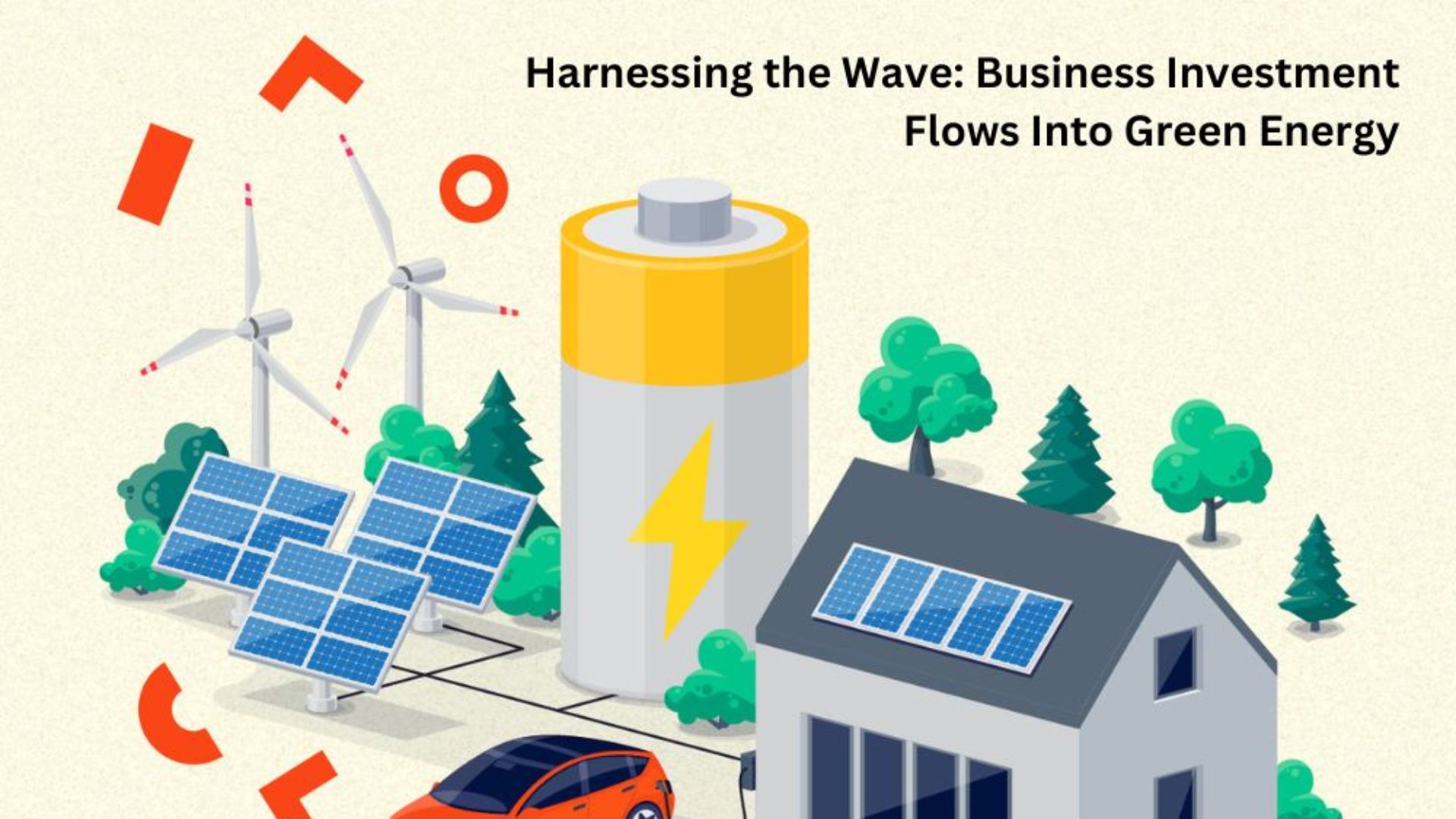
The influx of business investment into green energy reflects a transformative shift towards a more sustainable and resilient energy landscape. By harnessing the power of renewable resources and embracing innovative technologies, businesses can drive positive environmental impact, create value, and secure a sustainable future for generations to come.
As businesses continue to lead the charge towards a clean energy transition, collaboration, innovation, and strategic partnerships will be essential to maximize the collective impact of Green energy investments on a global scale.
In recent years, a seismic shift has occurred in the corporate world. Sustainability has transcended from being merely a buzzword to becoming a core strategic imperative for businesses worldwide. This transformation is not merely driven by altruism but by a profound recognition of the symbiotic relationship between Environmental stewardship, social responsibility, and long-term profitability.
Consumer Demand and Expectations
Today's consumers are more environmentally and socially conscious than ever before. They demand transparency and accountability from the brands they support. A Nielsen study revealed that 66% of global consumers are willing to pay more for sustainable products, showcasing a significant market opportunity for businesses that prioritize sustainability.
Regulatory Pressures and Compliance
Governments worldwide are enacting stricter environmental regulations, compelling businesses to adhere to stringent standards regarding emissions, waste management, and resource consumption. Non-compliance can result in hefty fines, reputational damage, and even legal repercussions. By proactively embracing sustainability measures, companies can mitigate regulatory risks and ensure long-term operational viability.
Resource Scarcity and Supply Chain Vulnerability
Depleting natural resources, volatile commodity markets, and geopolitical instability have made supply chains increasingly vulnerable. Companies reliant on finite resources face the risk of disruption and increased costs. Adopting sustainable practices such as resource efficiency, renewable energy integration, and ethical sourcing not only enhances resilience but also fosters innovation and cost savings.
Enhanced Brand reputation and Competitive Advantage
Sustainability has emerged as a powerful differentiator in the marketplace. Companies that prioritize environmental and social sustainability often enjoy enhanced brand reputation, customer loyalty, and employee engagement. Moreover, sustainable practices can drive innovation, efficiency gains, and access to new markets, providing a distinct competitive edge in an increasingly crowded marketplace.
Investor and Stakeholder Pressure
Institutional investors, shareholders, and other stakeholders are increasingly factoring environmental, social, and governance (ESG) criteria into their investment decisions. Sustainable businesses are perceived as less risky and more resilient over the long term, attracting investment capital and bolstering shareholder value. Additionally, stakeholder activism and shareholder resolutions are pushing companies to prioritize sustainability and align their business models with broader societal goals.
Climate Change and Global Challenges
The existential threat of climate change and other global challenges necessitates urgent action from both public and private sectors. Businesses are recognizing their role as key stakeholders in mitigating climate risks, preserving biodiversity, and advancing sustainable development goals. By aligning their business strategies with planetary boundaries and societal needs, companies can contribute to a more sustainable and equitable future while securing their own long-term viability.
Sustainability is no longer a peripheral concern but a fundamental imperative for businesses in the 21st century. Companies that embrace sustainability not only mitigate risks and seize opportunities but also contribute to a more prosperous, resilient, and equitable world for present and future generations. As we navigate an era of unprecedented challenges and opportunities, the transition to a sustainable business model isn't just a choice — it's a necessity for survival and success in the long run.